
Blog
How to Clean Artificial Jewellery at Home (5 Easy Methods)

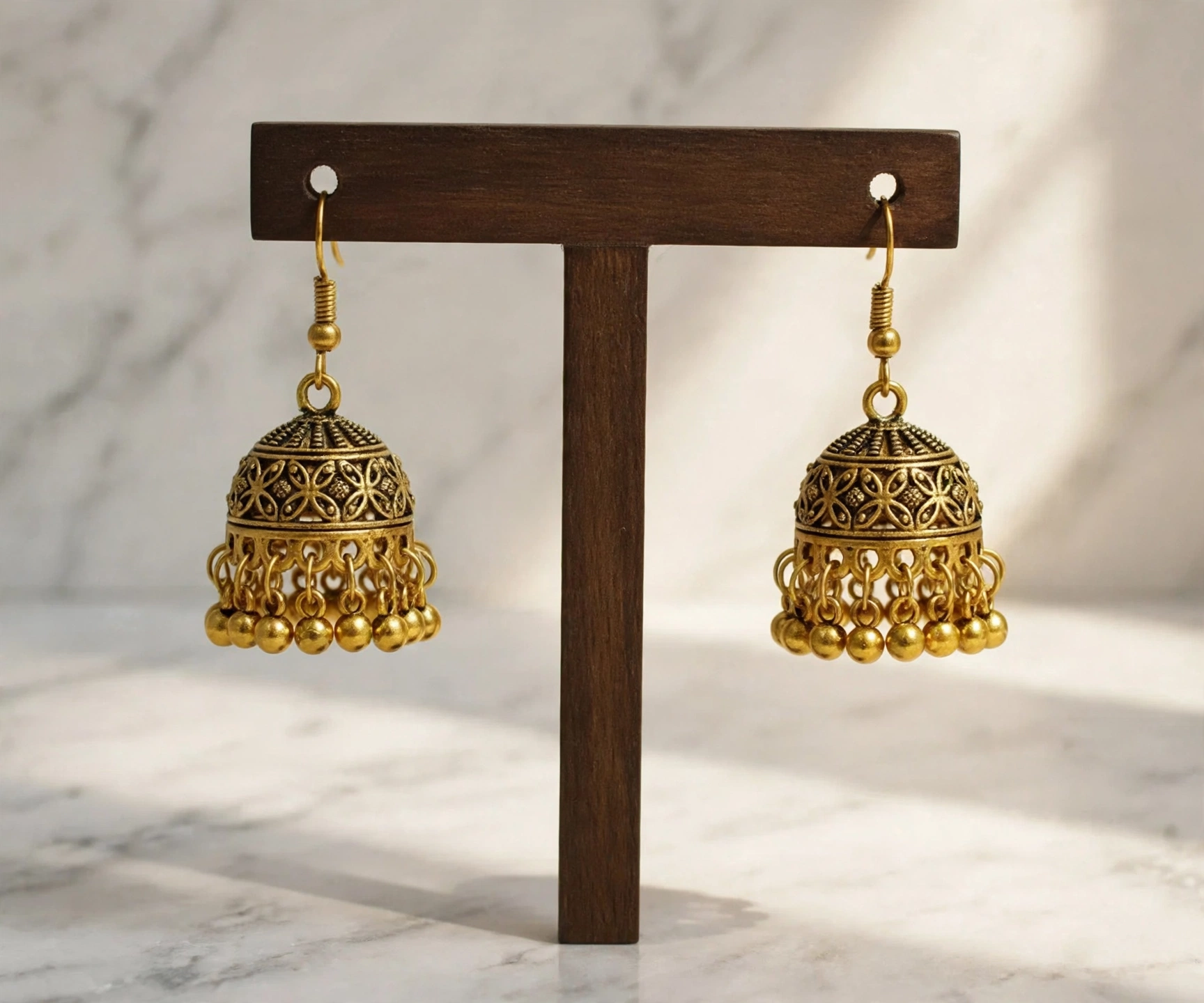
Over time, even the prettiest artificial jewellery loses its shine. Dust, sweat, and perfume build up on the surface and leave pieces looking dull. The good news: learning how to clean artificial jewellery at home is easy, cheap, and takes just a few minutes. Here are 5 safe methods that actually work.
Before You Start: 3 Golden Rules
- Be gentle: Artificial jewellery has a thin plating layer. Harsh scrubbing or strong chemicals will strip it — the opposite of what you want.
- Keep it brief: Never soak artificial jewellery for long. Quick clean, quick rinse, thorough dry.
- Dry completely: Moisture left on the piece causes the very tarnish you are trying to remove. Always pat dry with a soft cloth.
Method 1: Soft Dry Cloth (for light dullness)
For jewellery that just looks a little dull, a dry microfibre or soft cotton cloth is often enough. Rub gently in one direction. This is also the best daily habit — a quick wipe after every wear prevents buildup. Perfect for earrings and pendants you wear often.
Method 2: Mild Soap and Water (for everyday grime)
- Mix a drop of mild dish soap in a bowl of lukewarm water.
- Dip a soft toothbrush or cloth in the solution.
- Gently scrub the piece, reaching into crevices and around stones.
- Rinse quickly under clean water.
- Pat completely dry with a soft towel — do not air-dry.
This is the safest all-round method and works for bangles, earrings, and pendants alike.
Method 3: Baking Soda Paste (for tarnish)
- Mix baking soda with a few drops of water to form a thick paste.
- Apply the paste with a soft cloth or your fingertip.
- Rub very gently — let the paste do the work, not pressure.
- Rinse quickly and dry thoroughly.
Baking soda is mildly abrasive, so use it only when soap and water were not enough, and avoid it on pieces with glued stones or pearls.
Method 4: White Toothpaste (for stubborn spots)
Use plain white (non-gel, non-whitening) toothpaste. Dab a tiny amount on a soft cloth, rub the tarnished area gently, rinse, and dry. This works surprisingly well on metal bangles — try it on your metal bangles when they lose lustre.
Method 5: Lemon and Water (for silver-toned pieces)
- Squeeze half a lemon into a cup of water.
- Dip the jewellery for 2–3 minutes only.
- Rinse immediately and dry completely.
Lemon is acidic, so keep the soak short and never use it on pearls, kundan, or glued stones.
What NOT to Do
- No bleach, ammonia, or harsh detergents — they destroy plating instantly.
- No ultrasonic cleaners — made for solid gold, too aggressive for plated jewellery.
- No rough brushes or scouring pads — they scratch the coating off.
- Do not soak kundan, pearls, or glued stones — water loosens the glue.
Keep It Shining Longer
Cleaning fixes the problem, but prevention is better. Wondering why artificial jewellery turns black in the first place? Usually it is sweat, perfume, and moisture. And the single biggest favour you can do your jewellery is storing it right — see how to store artificial jewellery properly.
FAQs
Can I use toothpaste on all artificial jewellery?
Only plain white non-gel toothpaste, and avoid it on pearls, kundan, or pieces with glued stones.
How often should I clean artificial jewellery?
Wipe with a dry cloth after every wear; do a proper soap-water clean once a month for frequently worn pieces.
Will cleaning damage the gold plating?
Not if you are gentle. The methods above are safe for plated jewellery — damage comes from harsh chemicals and hard scrubbing, not from mild cleaning.
Want jewellery worth caring for? Explore KanganMoti’s collection — quality-plated pieces with cash on delivery across Pakistan.
Start your collection with customer favourites like the Elegant White Pearl Gold Bangle Set and the Gold-Plated Jhumkas with Ghungroo Detail — both easy to keep sparkling with the methods above.
